
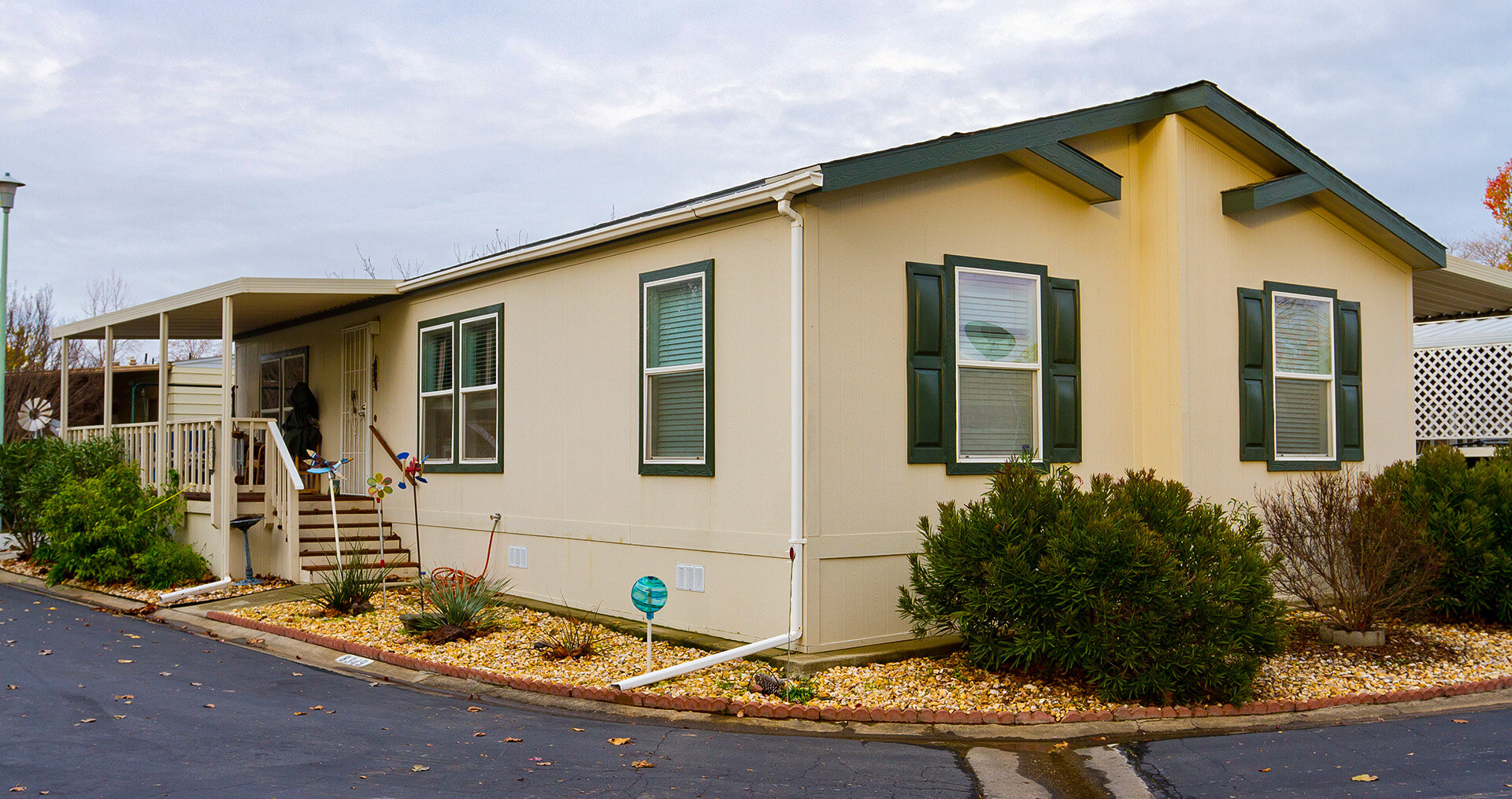
If you own a mobile home in South Carolina but rent the land underneath it, you may be able to sell the home without owning or selling the property. The important questions are whether you have the right to transfer ownership, whether the title documents are in order, and whether the buyer can keep the home in its current location.
Selling a home in a mobile home park is different from selling a house with land. The buyer may need park approval, a new lot rental agreement, or a plan to move the home. If the title has been retired because the home became part of real property, additional paperwork may also be necessary.
Before advertising your property, here is how to check your documents, understand South Carolina’s requirements, and compare your selling options.
Can You Sell a Mobile Home Without Owning the Land in South Carolina?
Yes. You may be able to sell a mobile home separately from the land if you have the legal right to sell it and can complete the required ownership transfer.
This is common when homeowners own their manufactured homes but pay monthly lot rent to a mobile home park. You own the home, while the park owner controls the land. Selling the home does not automatically transfer your right to occupy the lot to the buyer.
A similar situation occurs when a mobile home sits on privately owned land belonging to a relative or another landowner. You may own the structure but need permission or a separate arrangement to leave it at the current location after the sale.
Your options depend on the home’s ownership records, title status, location, and any applicable rental agreement. Start by determining exactly what you own before negotiating with buyers.
Check Your Mobile Home Title and Ownership Documents
Your title is one of the first things to review when preparing to sell. Locate the document and confirm that the owner’s name and identifying information are correct. If another person is listed as a co-owner, determine whether that person must participate in the transaction.
The South Carolina Department of Motor Vehicles’ mobile home guidance explains the state’s titling and de-titling procedures.
What if your title is available?
If you have the appropriate title and the ownership information is correct, you can begin discussing a sale. The buyer and seller must still complete the applicable transfer requirements.
The SCDMV uses Form 400, Title and/or Registration Application, for applicable transactions. The documents required depend on the home’s title history and circumstances.
What if you have lost the title?
A missing title does not automatically mean you cannot sell the home, but you should resolve the documentation issue before promising a buyer a closing date.
The SCDMV provides Form TI-021A, Affidavit of Ownership for a Motor Vehicle or Mobile Home, for specified situations in which a previous title is unavailable. Additional evidence may be required, depending on the circumstances.
Contact the SCDMV to confirm the correct procedure rather than assuming a bill of sale alone will be sufficient. You can also review the department’s Forms and Manuals directory for current documents.
What if the home has a loan or retired title?
If a lender has a lien on the home, obtain a current payoff statement and determine how the lien will be released or otherwise addressed during the sale.
A retired title requires particular attention. Some mobile homes have been declared real property after being permanently attached to land. If your home falls into this category, you may need additional documentation before selling it separately or moving it.
According to the SCDMV, a home with a retired title that will be attached to real property at a new location may require a Manufactured Home Severance Affidavit filed with the appropriate county offices. If it will not be attached to real property at the new location, obtaining a new title may be necessary.
Check the official SCDMV instructions before making arrangements. Do not assume that a home with a retired title can be transferred using the ordinary process for a separately titled mobile home.
Review Your Mobile Home Park’s Rules
If your home is located in a mobile home park, review your lot rental agreement and speak with management before finalizing a sale.
The buyer purchases the home, not automatically your right to rent the lot. Park management may require an application, approval, or a new rental agreement before the buyer can live there.
Ask management:
- Does the buyer need approval before occupying the lot?
- What application and documentation are required?
- Are there outstanding lot-rent balances or applicable fees?
- Can the home remain in the park if the buyer does not qualify for the lot?
- What procedures apply if the home must be removed?
Request written clarification where possible.
What does South Carolina law say about park approval?
South Carolina’s Manufactured Home Park Tenancy Act addresses certain rental arrangements in manufactured-home parks. Its coverage generally concerns residential parks offering five or more lots for rent, subject to statutory exclusions.
Section 27-47-440 states that a purchaser cannot become a resident of a covered park without the owner’s approval. Approval must not be withheld unreasonably, and the law provides a 15-day response period after the purchaser submits a written application.
This does not mean every buyer is automatically entitled to occupy a particular lot. The law’s applicability, the lease, and the facts of the situation matter. If management rejects a buyer or a dispute arises, review the statute or consult a qualified South Carolina attorney.
The practical point is to confirm the buyer’s ability to occupy the lot before committing to a sale that depends on the home remaining there.
Decide Whether the Mobile Home Will Stay or Be Moved
Your selling options may change significantly depending on where the buyer intends to keep the home.
Selling the home in its current location
If the buyer wants to remain in the park, confirm the approval process, rental terms, and any applicable fees. Keeping the home in place may avoid transportation costs, but it does not eliminate the need to complete the ownership transfer.
Clarify when your lot-rent responsibility ends and whether any outstanding charges must be addressed.
Selling to someone who will move the home
A buyer may want to relocate the home to another park or privately owned land. Before accepting an offer, confirm that the home can be transported and that the destination can accommodate it.
Ask a qualified manufactured-home transporter to assess access, preparation requirements, transportation, and any necessary work at the destination. Depending on the home and location, costs may include utility disconnection, permits, and site preparation.
South Carolina moving permits and taxes
South Carolina Code Title 31, Chapter 17 addresses mobile-home licensing and relocation.
Under Section 31-17-360, a moving permit generally must be obtained from the appropriate county licensing agent before a covered mobile home is relocated. The process includes a county tax certificate and title-related documentation. Additional tax requirements apply to certain moves outside the county.
Section 31-17-380 also addresses obtaining a new county license after a move between counties.
Before scheduling transportation, contact the appropriate county licensing office and your transporter to confirm which requirements apply to your home and route. A transporter should also clarify any separate transportation permits that may be needed.
Gather the Documents a Buyer May Need
Preparing your documents early can help you identify problems before they delay the transaction.
Collect the following where applicable:
- The current title or available ownership records.
- The home’s make, model year, dimensions, and identification numbers.
- Purchase documents and any previous bills of sale.
- Loan payoff information and lien-release records.
- The lot rental agreement or arrangements with the landowner.
- Records of outstanding lot rent or other relevant balances.
- Applicable property-tax records.
- Documents relating to a retired title or previous real-property classification.
- Photographs showing the home’s current condition.
If you do not have a title or discover a lien, ask the relevant office or professional what needs to be resolved before the transfer.
If the buyer intends to remain in the park, clarify the park’s requirements early. If the home must move, establish which permits and documents will be needed before agreeing on a removal date.
Estimate Your Home’s Value and Expected Proceeds
A mobile home sold without land should be evaluated separately from a home sold together with real estate. A property with acreage and a home on a rented lot offer different rights and responsibilities to the buyer.
Consider these factors when comparing offers:
| Factor | Why it matters |
|---|---|
| Age, size, and condition | These influence buyer interest and the work that may be required. |
| Title status | Missing documents, liens, or a retired title can affect the transaction. |
| Current location | A home that can remain in an approved park may appeal to different buyers than one that must move. |
| Lot arrangements | Rent, lease conditions, and park approval may affect the buyer’s decision. |
| Moving expenses | Transportation and preparation costs may reduce the amount you receive. |
| Outstanding obligations | Loan payoffs and applicable balances can affect your net proceeds. |
For a general introduction to valuation factors, see our mobile home value guide for North Carolina. Use it as a general reference only; local South Carolina conditions and comparable sales should guide your estimate.
Calculate what you may actually receive
The highest offer is not always the one that leaves you with the most money.
Estimated proceeds = sale price − loan payoff − seller-paid balances − agreed transaction costs.
For example, suppose one buyer offers $18,000 but expects you to pay $3,000 toward removal and preparation. Another offers $16,500 and agrees in writing to handle those expenses. Before accounting for other costs, the second offer would leave you with $1,500 more.
These figures are illustrative, not actual market estimates. The result for your home depends on the agreement and expenses involved.
Ask each buyer who will pay for transportation, repairs, applicable permits, and cleanup. Put those responsibilities in writing before accepting an offer.
Compare Your Options for Selling
There is no single selling method that works best for every homeowner. Consider the home’s condition, location, your timeline, and the expenses involved.
Sell directly to an individual buyer
A private sale may suit a home in reasonable condition, especially when a buyer can keep it in the current location or has a suitable destination.
You will need to advertise the home, answer inquiries, arrange viewings, negotiate the price, and coordinate the paperwork. Be clear that the land is not included and confirm whether park approval is necessary.
Work with a mobile home professional
A dealer or broker with experience in separately owned manufactured homes may help you find buyers and understand the process. Ask about fees, marketing services, and the responsibilities that remain yours.
Compare the expected amount you will receive rather than focusing only on the advertised price.
Consider a direct cash buyer
A direct buyer may be worth considering if the home needs repairs, you want to avoid repeated showings, or you prefer to explore a more straightforward selling option.
Not every buyer purchases every type of home. Explain the property’s location, condition, title status, and whether it must be moved.
You can explore the South Carolina mobile-home buying service offered by We Buy Mobile Homes in the Carolinas. Review the company’s mobile home buying process to understand the general steps involved.
A cash offer is not automatically the best offer. Compare the price, written terms, conditions, and responsibilities with your alternatives before deciding.
Complete the Sale With a Written Agreement
Once you find a suitable buyer, document the terms of the transaction.
The agreement should identify the home, purchase price, payment arrangements, expected closing date, and each party’s responsibilities. It should also make clear that the land is excluded unless you own it and have specifically agreed to include it.
Depending on the circumstances, the agreement may need to address:
- Title transfer and lien-release requirements.
- Park approval or other conditions.
- Whether the home will remain in place or be relocated.
- Responsibility for transportation and agreed expenses.
- Any repairs, preparation, or cleanup.
- Timing of payment, possession, and removal.
Confirm that the payment arrangements and required documents are in order before transferring ownership or possession. If the title is retired, ownership is disputed, or a lien remains unresolved, obtain appropriate guidance before promising a closing date.
Mobile Home Selling Checklist: What to Check Before Accepting an Offer
Use this checklist to review your position before committing to a sale.
- Confirm that you own the home and have the right to sell it.
- Check whether the title is active, missing, or retired.
- Identify outstanding loans, liens, or balances.
- Review the lot rental agreement or arrangements with the landowner.
- Confirm whether the buyer can keep the home in its current location.
- Verify applicable moving permits if relocation is necessary.
- Compare offers after accounting for agreed expenses.
- Put the price, payment arrangements, and responsibilities in writing.
Frequently Asked Questions
Can I sell a mobile home without owning land in South Carolina?
Yes, if you have the legal right to sell the home and can complete the required ownership transfer. The sale generally excludes the land, and separate lot rental arrangements may apply.
Can I sell a mobile home located in a South Carolina park?
Potentially. The buyer may need park approval and a new lot rental agreement before occupying the lot. Check the park’s requirements before finalizing the sale.
Do I need a title to sell a mobile home in South Carolina?
You must resolve the applicable title requirements. A missing or retired title may require additional documentation through the South Carolina DMV or relevant county offices.
Can a mobile home park reject my buyer?
A park may require approval before a buyer becomes a resident. For parks covered by South Carolina’s Manufactured Home Park Tenancy Act, approval must not be withheld unreasonably. The law’s application depends on the circumstances.
Do I need a permit to move a mobile home in South Carolina?
Certain relocations require a county moving permit and supporting tax and title documents. Confirm the requirements with the appropriate county licensing agent before moving the home.
Who pays to move a mobile home after a sale?
The buyer and seller should agree in writing who will arrange and pay for transportation, permits, preparation, and related costs.
Can I sell a mobile home that needs repairs?
Potentially. Some buyers consider homes that need repairs, but the condition can affect the offer. Disclose known problems and compare your expected proceeds after expenses.
Ways to Sell a Mobile Home Without Land in South Carolina
If you own a mobile home but not the land underneath it, start by confirming your title status, reviewing the lot arrangements, and determining whether the home can remain where it is.
Once you understand these details, you can compare private buyers, professional assistance, and direct cash offers without overlooking costs that could reduce your proceeds.
To explore a direct sale, visit We Buy Mobile Homes in the Carolinas or request a cash offer. You can also contact the company to discuss your situation before deciding whether to proceed.
Share the home’s location, condition, title status, and whether it is in a park or on private property. These details can help determine whether your property fits the company’s buying criteria. You can also check the company’s service areas.
Legal disclaimer: This article provides general educational information, not legal advice. South Carolina’s title, tax, park-tenancy, and relocation requirements depend on the home’s legal status and individual circumstances. Verify current requirements with the appropriate state or county office and consult a qualified South Carolina attorney when needed.