
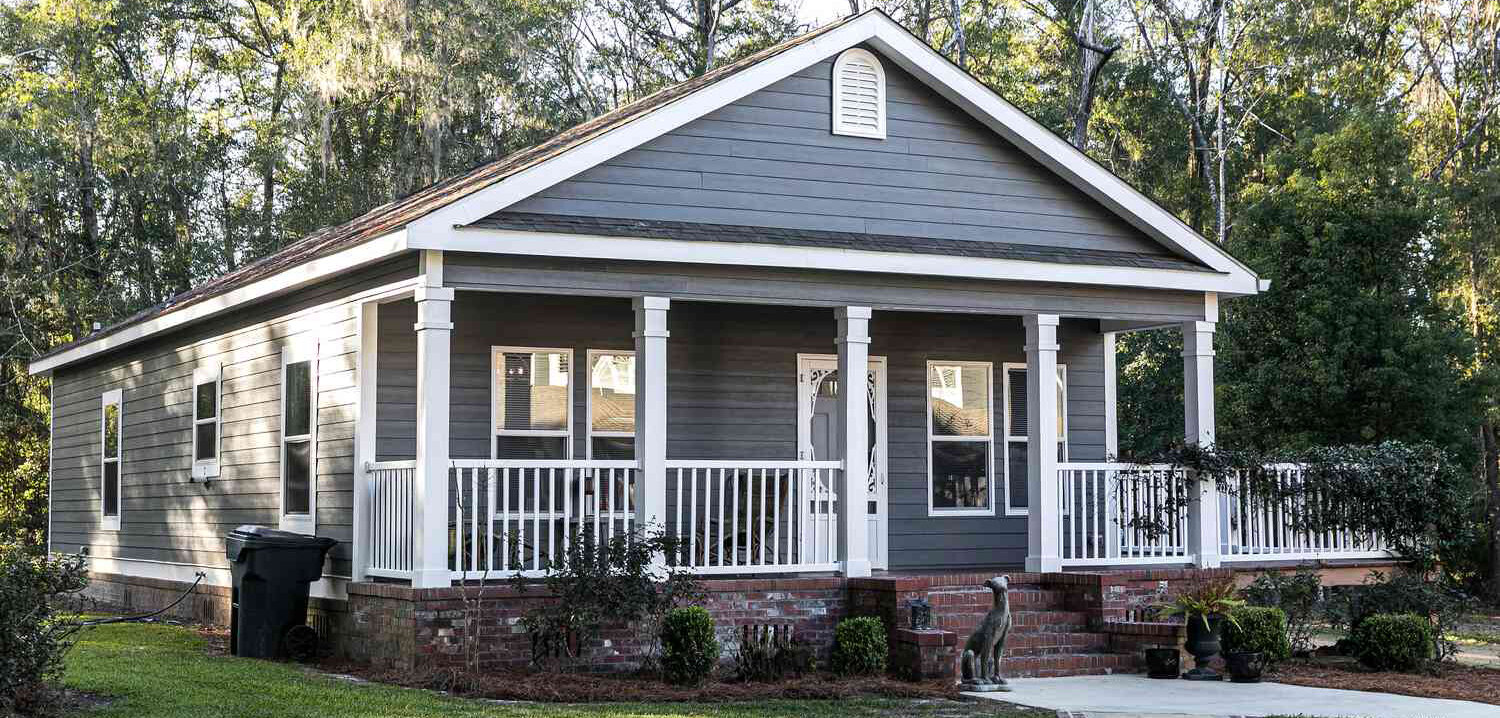
You can sell a mobile home without land in North Carolina if you can establish ownership and complete the required transfer. Before accepting an offer, find out whether the home can stay on its current lot or must be moved. Then address title issues, outstanding balances, park approval, and any removal costs.
For many sellers, the biggest question is simple: “I own the home, but what happens to the land underneath it?”
The answer depends on your situation. A home on a rented park lot may stay where it is if the necessary approvals and lease arrangements are in place. A home on family property may need to leave. If you own both the home and land, selling them separately can require additional paperwork.
This guide walks through those decisions. For a broader look at selling options, read our guide to selling a mobile home fast in North Carolina.
Common Homeowner Scenarios: Which One Fits Your Sale?
The following are typical situations, not accounts of completed company transactions.
You own a mobile home on a rented park lot
You want to sell your home and move closer to family. A buyer likes the home and wants to keep it in the community.
Your first step is to speak with park management. Find out whether the home can remain after the sale, whether the buyer must apply, and what lease terms would apply. Your current lot agreement should not be presented as something the buyer automatically inherits.
Your home sits on a relative’s property
You own the home, but a family member owns the land and wants it cleared.
In this situation, the buyer needs a place to move the home and a realistic removal plan. Before promising a deadline, ask a manufactured-home mover to assess whether the home can be transported and how it can leave the property.
You own the home and land but want to keep the land
Perhaps you want to build a different home or use the property for another purpose.
First, establish whether the manufactured home has an active separate title or was legally made part of the real property. That affects how you can separate and transfer it. If the buyer will leave the home on your land, you also need a clear agreement covering their use of the property.
In every scenario, ownership of the home and permission to occupy the land are separate issues.
1. Decide Whether the Home Can Stay or Must Be Moved
This decision shapes the sale. A buyer looking for somewhere to live immediately has different needs from someone buying a home for relocation.
| What to consider | Home stays on the lot | Home must be moved |
|---|---|---|
| Where the buyer will keep it | An approved arrangement with the park or landowner | A suitable destination |
| Main checks | Buyer approval, lease terms, lot charges, required repairs | Transportability, access, destination requirements, permits |
| Costs to discuss | Lot-related charges and agreed sale expenses | Preparation, transport, setup, and cleanup |
| Agreement details | Approval conditions and possession date | Removal responsibilities, costs, and deadline |
If the home can remain, ask management or the landowner:
- Does the buyer need approval before taking possession?
- Will there be a new lease, deposit, or different lot rent?
- Are repairs required for the home to stay?
- What notice must you give, and when does your rent responsibility end?
If the home must move, say so in the listing and early buyer conversations. A low asking price can attract plenty of interest, but that interest may disappear when buyers learn they must arrange transportation.
The destination matters, too. The buyer should check with the receiving community or local planning and inspections offices before assuming the home can be placed on a particular lot.
2. Check Ownership and Title Status Early
Pull together the title and any purchase, financing, or ownership documents you have. Compare the owner names and identifying numbers with the home being sold.
If a co-owner is listed, determine who needs to participate. If the owner has died or the home passed through a divorce or an incomplete previous sale, get the required ownership documents clarified before taking a deposit.
When the title is lost
A lost title and an unresolved ownership history are different problems.
NCDMV provides Form MVR-4, Application for Duplicate Title. Ask NCDMV or a license plate agency whether that procedure fits your situation. A duplicate application does not automatically fix a title still held in someone else’s name.
When the title was canceled
If the home became part of real property, replacing a “lost” title may be the wrong approach.
North Carolina’s manufactured-home title statute sets out a process for obtaining a new title after cancellation when separating the home from real property. Its requirements include documentation of removal and written consent from affected secured parties.
Ask NCDMV and a North Carolina attorney how to coordinate the paperwork, lender requirements, removal, and sale. Do this before signing a contract that promises a transfer you are not yet able to complete.
3. Calculate Outstanding Balances Before Setting Your Price
The amount a buyer offers is not necessarily the amount you keep.
Gather current figures for any loan payoff, unpaid lot rent, property taxes, and other charges that may need to be addressed. If a loan was paid off but a lien remains on the records, ask the lender how to obtain the release.
Keep two questions separate:
What must be resolved to complete the transfer?
This depends on the ownership records, liens, and transaction.
What do you still owe after the sale?
Your lease and other agreements may leave obligations that selling the home does not automatically end.
For example, if the buyer purchases the home but collects it three weeks later, who pays the lot rent during those weeks? Settle that before closing.
Request written payoff information and account statements where available. Estimates from an old bill can leave you short when the transaction is ready to finish.
4. Price the Home Without Including Land Value
Compare your property with similar home-only sales. A manufactured home sold with acreage is a different product.
Look at age, size, layout, condition, location, and whether comparable homes could remain on their lots. Where possible, use completed sales. Asking prices show what sellers hope to receive, not necessarily what buyers paid.
Condition also needs a practical assessment. Roof leaks, soft floors, damaged framing, and plumbing problems can affect both repair costs and the feasibility of moving the home.
If relocation is necessary, get a written estimate for the actual property. Ask which expenses are included and which are separate. Utility disconnection, removal of decks, transportation, destination setup, and cleanup should not be treated as one assumed price.
Example: A Higher Offer Can Leave You With Less
Consider a hypothetical homeowner who wants a mobile home removed so they can keep using the land.
Two buyers make these offers:
| Offer comparison | Buyer A | Buyer B |
|---|---|---|
| Purchase price | $24,000 | $20,000 |
| Agreed preparation and removal costs paid by seller | $7,000 | $0 |
| Amount remaining before other deductions | $17,000 | $20,000 |
Buyer B’s written offer assigns the same preparation and removal work to the buyer. Under these assumptions, the seller keeps $3,000 more with Buyer B.
These are illustrative figures, not local market values, moving quotes, or a company case study. Loan payoffs, taxes, lot rent, and other expenses are excluded.
Use this calculation for your own offers:
Purchase price − loan payoff − seller-paid balances − seller-paid transaction and removal costs = estimated proceeds.
Check the conditions as carefully as the numbers. An offer dependent on financing or an unconfirmed relocation plan may involve additional uncertainty.
5. Choose a Selling Route That Fits Your Home
There is no single best route for every home-only sale.
Sell directly to a private buyer
This may work well when the home is in good condition and can remain on an approved lot. You handle advertising, inquiries, showings, and negotiations.
Ask interested buyers how they plan to pay and whether they understand the lot requirements. If they need financing, they should establish whether their lender can finance this particular home and land arrangement.
Use a professional experienced in home-only sales
Ask about experience with separately titled manufactured homes and rented-lot transactions. Confirm that the professional is appropriately authorized to handle your type of sale.
Discuss fees, marketing, and responsibilities before signing an agreement. Experience with homes sold together with land does not necessarily mean experience with home-only transactions.
Consider a direct cash buyer
A direct sale may suit a home needing repairs or a seller who wants to avoid repeated showings. Compare the expected proceeds and written terms with your other options.
Cash does not eliminate ownership checks, park requirements, or moving difficulties.
At We Buy Mobile Homes In The Carolinas, we review the home’s location, age, size, condition, title situation, and park or private-land arrangement. We may request photos or arrange a look at the home before deciding whether we can make an offer.
Our mobile home buying process explains what happens after you contact us. If an offer is available, you can review it and decide whether it works for you.
6. Prepare a Listing That Answers Buyers’ Main Questions
A useful listing helps the right buyers recognize whether the home fits their plans.
Include:
- Year, manufacturer if known, size, and bedroom and bathroom count.
- Asking price and known condition issues.
- A clear statement that land is not included.
- Whether the home can stay, subject to applicable approval, or must be moved.
- Confirmed lot charges or any removal deadline.
- The ownership documents available and any unresolved questions.
Use clear exterior and interior photos. Show known damage rather than cropping it out. If removal is required, include photos of the driveway, access route, and attached structures.
Before spending heavily on updates, work out whether they are likely to improve your result. A fresh kitchen finish will not solve an ownership problem or make an unsuitable home transportable.
7. Agree on Moving Costs, Permits, and Cleanup
“Buyer will move the home” is too vague to protect either party.
The agreement should identify who arranges and pays for utility disconnection, removal of decks and skirting, transportation, applicable permits, and site cleanup. It should also address access, the removal deadline, property damage, and what happens if the home cannot be moved as expected.
North Carolina generally requires a county tax permit before a mobile home is removed, subject to statutory exceptions. Review the state’s mobile home tax-permit requirement and ask the county tax collector and mover how it applies to your move.
Also ask which transportation and destination approvals are needed. A tax permit alone does not settle every aspect of relocation.
If you are keeping the land, define what “cleared” means. Will the buyer remove blocks, leftover materials, steps, and debris? Specific terms make it easier to recognize when the work is complete.
8. Coordinate Payment, Transfer, and Possession
Before signing, review the agreement alongside the title paperwork, payoff information, and any park or removal conditions.
The agreement should clearly identify the home, price, included items, payment arrangements, possession date, and responsibilities that continue after the sale.
If approval or relocation feasibility remains uncertain, have those conditions addressed in the contract. Do not assume an informal conversation gives you a clear cancellation right.
Use a payment and closing arrangement appropriate to the transaction. Verify receipt of funds through your bank or closing professional rather than relying on a buyer’s screenshot. Never sign blank transfer documents.
Keep copies of signed paperwork, receipts, and lien releases. Coordinate utilities and insurance with the actual handoff and removal schedule, especially if the home will remain on the property after payment.
Five Mistakes to Avoid When Selling Without Land
1. Using land-and-home listings to justify your price
Those listings include land your buyer will not receive. Compare similar home-only sales and account for relocation requirements.
2. Promising that the buyer can stay in the park
Your own approval does not establish the buyer’s approval. Get the park’s requirements before making promises about occupancy.
3. Accepting a relocation offer before checking the move
A buyer’s willingness to purchase is not proof that the home can be transported or accepted at the destination. Investigate both before committing to firm dates.
4. Leaving removal and cleanup open-ended
A vague agreement can leave you with debris, unfinished work, or continuing lot charges. Assign the work, costs, and deadlines clearly.
5. Assuming payment ends every obligation
The purchase price does not automatically settle a loan, release a lien, or end your lot lease. Know how each obligation will be resolved.
Mobile Home Sale Checklist: Before You Accept an Offer
Make sure you can answer these questions:
- Can I establish ownership and complete the necessary transfer?
- Can the home stay, or does it have to move?
- Does the buyer understand the park or landowner’s requirements?
- What will I keep after agreed expenses and outstanding balances?
- Who pays and who does the work if relocation is required?
- When do payment, possession, removal, and my lot-rent responsibility occur?
You can contact a buyer while some answers are still pending. Explain what remains unresolved so the offer and timeline reflect the actual situation.
Frequently Asked Questions
Can I sell a mobile home without land in North Carolina?
Yes, provided you can establish ownership and complete the required transfer. The buyer needs permission to keep the home on its current lot or a suitable place to move it. Resolve title issues and agree on any removal responsibilities before closing.
Can I sell my mobile home and keep the land?
Potentially, yes. First check whether the home has a separate title or became part of the real property. Separating it may require additional paperwork and lender consent. Then decide whether the buyer will move it or remain under a new land-use agreement.
Can I sell a mobile home on a rented park lot?
Yes, if you can transfer ownership and address the park’s requirements. The buyer may need management approval and a new lease to keep the home there. Confirm the applicable lot rent, required repairs, and when your own lease obligations end.
Can I sell a mobile home without the original title in North Carolina?
A lost title does not necessarily prevent a sale, but you need the correct transfer documents. A lost, canceled, or incorrectly assigned title requires different steps. Ask NCDMV which procedure applies before accepting payment or promising a closing date.
Who pays to move a mobile home after the sale?
The buyer and seller negotiate moving costs. The written agreement should identify who pays for preparation, transportation, permits, and cleanup. Do not assume the buyer covers every expense simply because they hire the mover.
How long does it take to sell a mobile home without land?
There is no fixed timeline. Buyer availability, title issues, park approval, financing, and relocation can affect completion. A cash sale may avoid financing delays, but it still requires the ownership and lot arrangements to be resolved.
Ready to Sell Your Mobile Home Without Land?
You do not need to renovate the home or have every answer before contacting We Buy Mobile Homes In The Carolinas.
Tell us where the home is located, its condition, whether it sits in a park or on private property, and whether it must be moved. Share any title questions or deadlines at the start.
Learn more about selling your mobile home in North Carolina or request a free, no-obligation cash offer. We will review the information and let you know whether the home fits our buying criteria.
This guide provides general information. For requirements specific to your transaction, consult NCDMV, the relevant local offices, and a North Carolina attorney when needed.