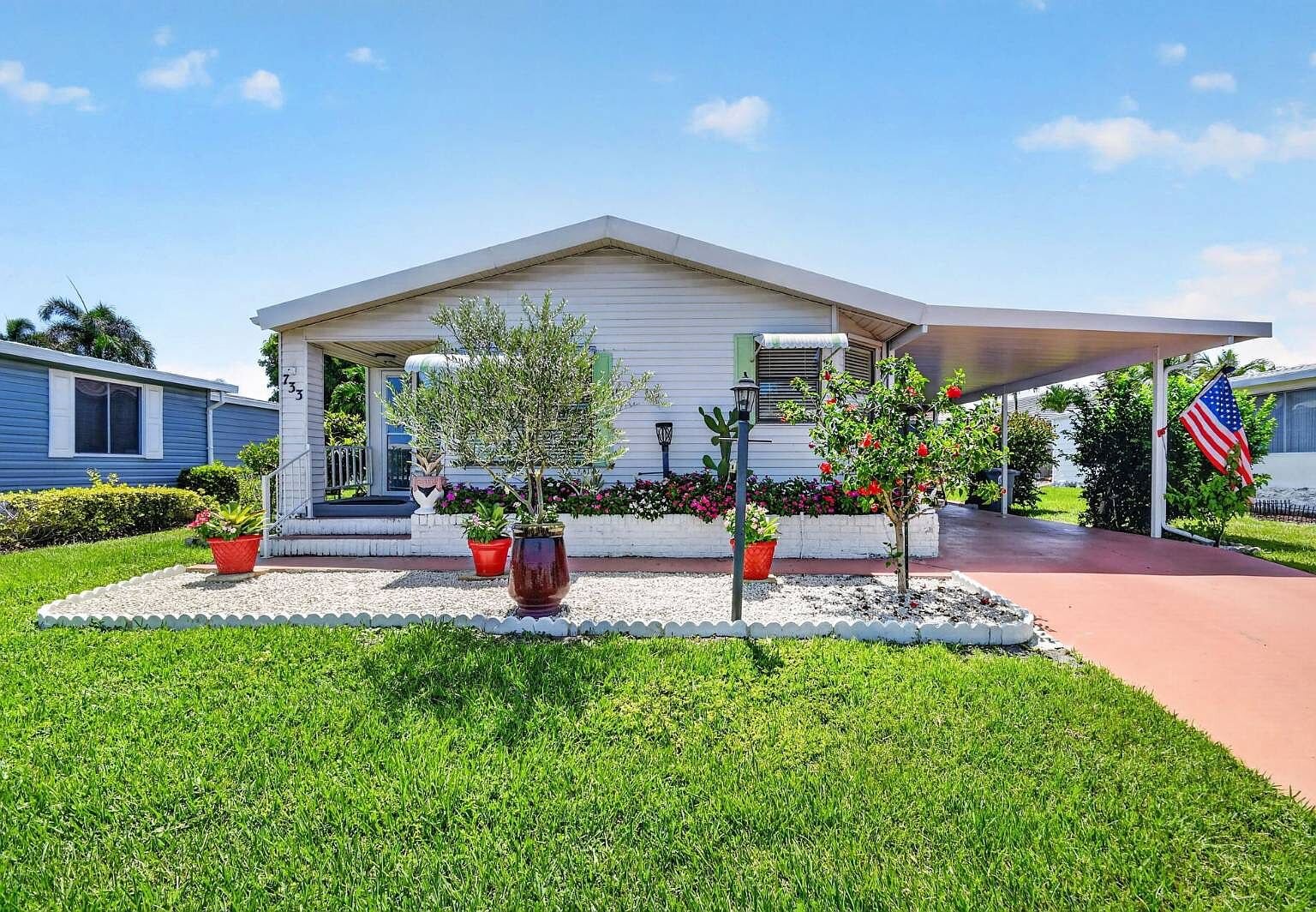
When someone passes away and leaves behind a mobile home, the family may need to decide whether to keep it, transfer it to an heir, or sell it to help settle the estate. The decision can become complicated when the deceased owner’s name remains on the title, the home has an outstanding loan, or it sits in a mobile home park on rented land.
Yes, selling a mobile home during probate in South Carolina may be possible, but the person arranging the sale must have the appropriate legal authority. The process depends on the home’s ownership records, whether it is titled as personal property or treated as real property, the terms of the will, and any required court approval.
Being named in a will or expecting to inherit a home does not automatically authorize you to sell it. Before accepting an offer, establish who can legally transfer ownership and what documents the South Carolina Department of Motor Vehicles (SCDMV) or the relevant county office requires.
Can You Sell a Mobile Home Before Probate Is Finished in South Carolina?
Potentially, yes. Probate is the legal process of administering a deceased person’s estate, including identifying assets, addressing debts and claims, and distributing property to the appropriate beneficiaries.
A mobile home does not necessarily have to remain unsold until the entire estate is closed. However, a sale must follow the rules that apply to the home’s legal classification and the personal representative’s authority.
Under South Carolina Code § 62-3-711, a personal representative generally has powers over estate property, subject to the will and applicable legal restrictions.
For titled personal property, the statute generally requires a prior court order before a personal representative sells estate tangible or intangible personal property with an aggregate value of $10,000 or more, unless the will authorizes otherwise. The statute also establishes separate requirements for selling real property.
You can review the official South Carolina Probate Code and the South Carolina courts’ Application for Sale of Personal Property, Form 329ES.
Before arranging a sale, determine:
- Who legally owns the mobile home.
- Who has authority to act for the estate.
- Whether the home is titled personal property or treated as real property.
- Whether the will authorizes the proposed sale.
- Whether court approval is required.
- Whether a lender, lienholder, or other party has rights affecting the transaction.
An offer from a buyer does not replace the legal authority required to transfer ownership.
Who Has the Legal Authority to Sell an Inherited Mobile Home?
The correct person to handle the sale depends on the title, the estate documents, and the circumstances of the owner’s death.
The personal representative
A personal representative is the person appointed through the probate process to administer an estate. This person may be referred to as an executor or administrator in everyday conversation.
If the mobile home is an estate asset, the personal representative may be able to arrange a sale after satisfying the applicable legal requirements.
The SCDMV’s guidance on inheriting titled property explains the documentation used to transfer ownership after an owner’s death. Depending on the situation, the required paperwork may include the existing title, a certified death certificate, and proof of the personal representative’s appointment.
The personal representative must also consider estate debts and the rights of other interested parties. Proceeds from the sale should be handled through the appropriate estate process rather than informally divided among relatives.
An heir or beneficiary
An heir is someone entitled to inherit under applicable inheritance law. A beneficiary is someone who receives property under a will or another valid arrangement.
Neither role automatically gives a person authority to sign the deceased owner’s title and sell the home immediately.
The personal representative may need to administer the property first, obtain court approval, or complete the necessary title-transfer procedure. If several relatives agree to sell, that agreement does not necessarily replace the legal authority required for the transaction.
A person named in a will
A will can identify who should inherit the home and may give the personal representative specific authority to sell estate property.
However, a will should not be treated as a substitute for the SCDMV’s title-transfer requirements. If its instructions are unclear or family members disagree, seek advice from a South Carolina probate attorney before proceeding.
Does Every Inherited Mobile Home Have to Go Through Probate?
Not necessarily. The appropriate process depends on how the home was owned and whether a valid arrangement exists for transferring it outside ordinary estate administration.
When the title has a Transfer on Death designation
South Carolina permits a qualifying owner to designate a Transfer on Death (TOD) beneficiary on certain titled personal property, including a mobile home.
Under South Carolina Code § 62-6-401, a valid TOD designation can allow titled personal property to pass to the designated beneficiary after the death of all owners, without being subject to the ordinary estate-administration provisions specified in the statute.
A beneficiary does not own or control the home merely because they are named while the owner is alive.
If a valid TOD designation exists, review the SCDMV’s inheritance instructions and its official TOD-1 application to determine which documents are required to transfer the title.
A TOD designation does not eliminate every possible estate or creditor issue. Confirm the home’s status and any applicable obligations before completing the sale.
When there is no TOD designation
If the home remains titled in the deceased person’s name without an applicable TOD designation or another qualifying arrangement, estate administration may be necessary.
The Probate Court may need to appoint a personal representative or establish the appropriate procedure for transferring ownership.
A death certificate or copy of the will alone may not be enough to complete the transaction. Confirm the requirements with the SCDMV before promising a buyer a closing date.
Does It Matter Whether the Mobile Home Is Personal Property or Real Property?
Yes. This distinction can change how the sale must be handled.
A mobile home that remains titled as personal property
Many mobile homes have a certificate of title administered by the SCDMV. If the home remains titled as personal property, the estate generally needs to follow the applicable title-transfer procedure.
The SCDMV’s mobile home titling guidance explains the documents involved in buying and transferring a manufactured home.
The estate must establish who can sign the title and whether the sale requires additional approval under probate law.
A mobile home whose title was retired
A mobile home may have had its title retired after being permanently affixed to land and legally treated as real property. In that situation, the transaction may involve recorded real-estate ownership rather than a standard transfer of an active mobile home title.
South Carolina Code § 62-3-711 establishes separate rules for personal representatives selling real property. Depending on the circumstances, the will may authorize a sale, or the personal representative may need to follow the applicable court procedure.
If the deceased owner owned both the land and the home, the transaction may involve the real estate itself. If the home sits on land owned by someone else, its recorded status still needs to be established.
Check the appropriate county Register of Deeds or Clerk of Court records. If the home’s classification is uncertain, consult a qualified South Carolina attorney before accepting an offer.
What Documents Do You Need to Sell an Inherited Mobile Home?
The required paperwork depends on the home’s title status and the estate’s circumstances. Gathering the relevant documents early can help identify missing information before a buyer is ready to close.
Death certificate
A certified death certificate may be required to establish the owner’s death during the title-transfer process. Confirm the number and type of copies required with the relevant office.
Current mobile home title
Locate the original title if available. Check the owner’s name, any co-owners, the home’s identification number, and recorded liens.
If the title is missing, read our guide to selling a mobile home without a title in South Carolina.
Probate appointment or certificate
If a personal representative is handling the sale, obtain the official documentation establishing that person’s authority to act for the estate.
Will and related estate documents
The will may identify the intended beneficiary and contain instructions affecting the sale. Additional probate documents may be needed to establish the personal representative’s authority.
SCDMV title application
The SCDMV uses Form 400 for applicable mobile home title transactions. The correct application and supporting documents depend on the transaction.
Download the official SCDMV Form 400 and review the department’s title information before submitting paperwork.
Lien release or lender information
If a loan remains outstanding, gather the account information and request a current payoff statement. The lender may need to release its lien or approve the proposed transaction.
Property and tax records
If the home is treated as real property or sits on land owned by the estate, obtain the relevant deeds, tax records, and recorded documents.
Not every transaction requires every document listed above. Use this checklist to prepare, then confirm the exact requirements for the home’s legal status.
What If the Mobile Home Has an Outstanding Loan or Lien?
A loan does not necessarily prevent an estate from selling a mobile home, but the lender’s rights must be addressed.
A lien is a legal claim against property that secures a debt. It can affect who holds the title and what is required to transfer ownership.
Before accepting an offer:
- Contact the lender and request a current payoff statement.
- Confirm whether the title identifies the lender as a lienholder.
- Determine whether the expected sale price can cover the outstanding balance.
- Ask what documentation is needed to release the lien.
- Record the agreed payment and title arrangements in the transaction documents.
If the sale price is lower than the amount owed, the estate may need to cover the difference or negotiate an arrangement with the lender.
The personal representative must also consider other estate obligations. Sale proceeds should be handled through the estate’s proper accounting and distribution process.
What If the Mobile Home Is Located in a Park?
An inherited mobile home in a manufactured housing community presents two separate questions: ownership of the home and permission to occupy the lot.
Even if the estate can transfer the home, a buyer may need approval from park management before keeping it in place. The park may require an application, a new rental agreement, fees, or compliance with community rules.
Before agreeing to a sale, ask park management:
- Can a new buyer apply to keep the home on the lot?
- What documents and fees are required?
- Are there outstanding lot-rent balances?
- Does the home need repairs or an inspection?
- What happens if the buyer does not qualify?
If the home must be moved, request a transportation estimate and confirm that the destination can accommodate it.
Our guide to selling a mobile home without land in South Carolina explains the separate issues that arise when you own the home but not the land underneath it.
What If You Need to Sell the Mobile Home Quickly?
An estate may face ongoing expenses while a mobile home remains unsold. These can include lot rent, insurance, utilities, maintenance, and loan payments.
A quicker sale may help manage those costs, but speed should not come at the expense of proper authority or title documentation.
Start by identifying the person authorized to act for the estate. Gather the title, probate documents, lien information, and available property records. Then determine whether the home can remain in place or must be moved.
If court approval is required, include that process in your timeline. Do not promise a buyer a closing date that depends on approval you have not obtained.
Consider an as-is sale
An as-is sale may be worth exploring if the home needs repairs, has been vacant, or would be expensive to prepare for a traditional listing.
Compare offers based on the expected proceeds after expenses, not just the headline purchase price. Consider the outstanding loan, moving costs, lot rent, and work needed to complete the transaction.
You can learn how We Buy Mobile Homes in the Carolinas works or review the company’s cash-offer request page.
Requesting an offer does not itself authorize a sale. The estate must still satisfy the applicable legal and title requirements.
Common Mistakes to Avoid When Selling a Mobile Home During Probate
Assuming an heir can sell immediately. Being named in a will or expecting to inherit does not necessarily give you authority to sign the deceased owner’s title.
Ignoring the home’s legal classification. A mobile home with an active title and a home treated as real property may require different procedures.
Overlooking the will’s instructions. The will may affect the personal representative’s powers and whether additional approval is required.
Ignoring a lien or loan. The lender’s rights need to be addressed before the required ownership transfer can be completed.
Distributing the proceeds too early. The estate may have debts, claims, taxes, and other obligations that must be handled through the proper process.
Promising a closing date too soon. A missing title, court approval, or unresolved ownership issue may delay the transaction.
If family members disagree about the sale or the authority to act, seek legal advice before proceeding.
Seller’s Checklist Before Accepting an Offer
Use this checklist to prepare for a potential sale.
- Confirm who legally owns the mobile home.
- Determine whether it is titled personal property or real property.
- Identify the personal representative or other person authorized to transfer ownership.
- Review the will and relevant probate documents.
- Determine whether court approval is required.
- Locate the title and check for outstanding liens.
- Obtain the death certificate and required title-transfer paperwork.
- Check park requirements if the home is on rented land.
- Estimate moving costs if relocation is necessary.
- Compare offers after accounting for expenses.
- Document the sale terms and keep records of the proceeds.
Before signing, confirm the procedure with the SCDMV, Probate Court, county office, or a qualified South Carolina attorney, as appropriate.
Frequently Asked Questions
Can you sell a mobile home during probate in South Carolina?
Potentially. The sale depends on who has legal authority, the home’s title status, the will’s terms, and whether court approval is required.
Who can sell an inherited mobile home in South Carolina?
An authorized personal representative may be able to sell the home. An heir or beneficiary should not assume they can transfer the deceased owner’s title without completing the required legal process.
Can a mobile home be sold before probate is complete?
Yes, in some circumstances. The personal representative must follow applicable estate rules, including any required court approval and title-transfer procedures.
Does every inherited mobile home have to go through probate in South Carolina?
Not necessarily. A valid Transfer on Death designation may allow an eligible titled mobile home to pass to its beneficiary outside ordinary estate administration. The beneficiary must still complete the required title-transfer process.
What documents are needed to sell an inherited mobile home?
Common documents include the death certificate, mobile home title, probate appointment or certificate, and applicable SCDMV forms. Additional documents may be required for liens or real property.
Can an inherited mobile home with a loan or lien be sold?
Potentially. The estate must address the lender’s rights, outstanding balance, and any lien-release requirements before completing the transfer.
Can you sell a mobile home with a retired title during probate?
Possibly, but the process may involve transferring real property rather than an ordinary mobile home title. Confirm the recorded property status and the personal representative’s authority before proceeding.
Explore Your Options for Selling a Mobile Home in South Carolina
Selling an inherited mobile home can be a practical way to manage an estate, but the first step is establishing who can legally authorize the transaction.
Determine whether the home remains titled as personal property, whether its title has been retired, and whether the will or applicable law requires court approval. Then gather the title, probate documents, and lien information before committing to a buyer.
If you want to explore a potential direct sale, visit We Buy Mobile Homes in the Carolinas, review the South Carolina mobile home buying service, or contact the company to discuss the property.
You can also browse the company’s mobile home selling blog for additional guidance.
Share the home’s location, condition, title status, and whether it sits in a park or on privately owned land. The company can review those details and determine whether the property fits its buying criteria.
Legal disclaimer: This article provides general educational information, not legal advice. Probate and title requirements depend on the will, ownership records, lien status, and whether the mobile home is personal or real property. Confirm current requirements with the SCDMV and relevant South Carolina Probate Court or county offices. Consult a qualified South Carolina attorney if the estate’s authority to sell is uncertain or family members disagree.